Project Islet Freedom
We've waited long enough.
One voice can be ignored. Thousands become impossible to dismiss.
Use your story to push Congress, Robert F. Kennedy Jr., and the U.S. Department of Health and Human Services (HHS) to act.
Why this tool, right now
Real progress is happening. We need policy to catch up.
- At the University of Chicago, all 12 people in Eledon’s tegoprubart islet-transplant trial are currently living without insulin injections.
- NewcelX and Vertex are developing lab-made insulin-producing islet cells that could solve the donor-supply and scalability problem, while other trials are working to protect transplanted cells without broad immunosuppression.
- Put these efforts together, and we may finally have real options that can change life with Type 1 diabetes. Congress, Robert F. Kennedy Jr., and the U.S. Department of Health and Human Services (HHS) need to get the regulatory hurdles out of the way—starting by treating deceased-donor islet cells as organs, not drugs—so progress becomes access.
A note from Dave
Why your story matters
A quick welcome before you start.
Project Islet Freedom
Here’s how it works
- 1Share your story.
- 2We find your senators and representative.
- 3We add the critical policy language to your story to create a powerful message that helps drive change.
- 4Then we walk you through sending your messages directly through official contact forms and the social media accounts you use.
In just a few minutes, you’ll have contacted the right people with your personal story and joined a movement to make a difference.
Why I Built Project Islet Freedom
Why I built Project Islet Freedom
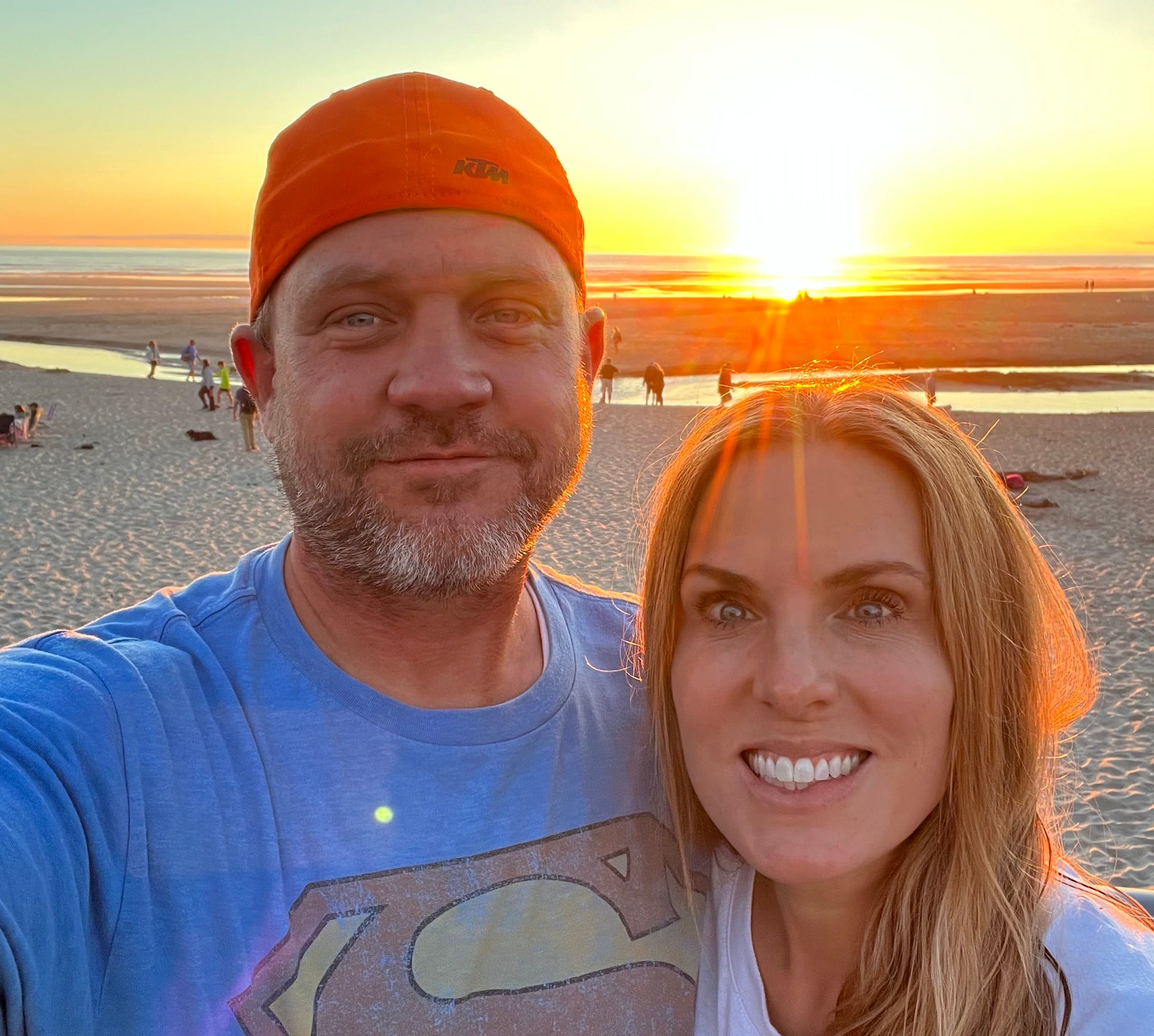
I was diagnosed with Type 1 diabetes as a young boy 40 years ago. For the first time in a very long time, recent progress has made real hope feel possible, and I built this tool because too many of us care but do not know where to start.
Read / watchShow less
Why I Built Project Islet Freedom
Why I built Project Islet Freedom
I was diagnosed with Type 1 diabetes as a young boy 40 years ago. For the first time in a very long time, recent progress has made real hope feel possible, and I built this tool because too many of us care but do not know where to start.
Founder video placeholder
Short conversational welcome message goes here, then the full written story continues below.
Dave's Journey: Why Project Islet Freedom Matters
One voice can be ignored. Thousands become impossible to dismiss.
Hi, I'm Dave.
Forty years ago, as a young boy, I was diagnosed with Type 1 diabetes.
Just recently, I quietly reached my 40-year anniversary of living with this disease. Over those four decades, I've watched remarkable advances in diabetes care. I've gone from finger sticks and multiple daily injections to insulin pumps, continuous glucose monitors, and technology that would have seemed unimaginable when I was diagnosed.
But through all those years, one thing never seemed to change.
The promise that a cure was always "five to ten years away."
Like so many people living with Type 1 diabetes, I eventually stopped waiting for that promise and focused instead on living the fullest life I could. As a kid, I rarely told anyone I had diabetes. Looking back, it seems a little silly, but I never wanted to be treated differently than everyone else. I wanted to play sports, travel, have adventures, build a career, raise a family, and experience life without people seeing diabetes first.
I've been incredibly fortunate. My parents, my siblings, my wife, and my children have supported me every step of the way. But no matter how good life has been, diabetes has always been there—every single day. It never takes a vacation. It never gives you a day off. There has always been a quiet frustration knowing that this disease has shaped every day of my life since childhood.
When my own children were born, my greatest fear wasn't for myself anymore.
It was that one of them would someday hear the same words I heard as a little boy.
Thankfully, none of my children have been diagnosed.
Then something happened that I honestly wasn't expecting.
For the first time in a very long time, I started to feel genuine hope.
As I learned more about the incredible progress being made with donor-derived islet transplantation, stem cell-derived islet therapies, and the breakthroughs in immune therapies like tegoprubart that may finally make these treatments practical for more people, I found myself getting emotional. After hearing "maybe someday" for forty years, it suddenly felt like someday might actually be within reach.
Around the same time, I started hearing researchers, physicians, and advocacy organizations asking people with Type 1 diabetes to contact legislators and government leaders to support policies that could help these treatments become available to more patients.
If anyone should have been motivated to do that...
…it should have been me.
But I didn't.
Not because I didn't care.
Because I didn't know where to start.
Who should I contact? What should I say? Which legislation mattered? How could I explain something so technical? Like so many of us, I was busy, and I kept telling myself I'd do it tomorrow.
Then it hit me.
If I couldn't motivate myself to take action about something that affects me every single day, how could I expect anyone else to?
That's why I built Project Islet Freedom.
Not to tell people what to think.
Not to tell anyone who to vote for.
Simply to remove the barriers that keep caring people from speaking up.
This tool helps you find the right people to contact, turns your own story into a respectful, personalized message, references the relevant legislation and issues, and makes it as easy as possible to let your voice be heard.
Because one message probably won't change anything.
But thousands of personal stories just might.
This isn't only about people living with Type 1 diabetes.
It's about parents.
Spouses.
Children.
Friends.
Grandparents.
Neighbors.
Anyone who has watched someone they love carry this burden every single day.
If you're here because diabetes has touched your life in any way, I hope you'll take a few minutes to share your story.
Every story is different.
Every voice matters.
And if enough of us speak together, maybe—just maybe—we can help remove the barriers standing between incredible scientific progress and the people waiting for it.
I've never created anything like this before, and I'll admit I'm a little nervous putting it out into the world.
But I believe this moment matters.
I believe this community matters.
And I believe ordinary people, sharing their own stories, can help create extraordinary change.
Thank you for being here.
I truly hope you'll join us.
Dave Gourley
Living with Type 1 diabetes since childhood • 40+ years
Husband • Father • Advocate • Still hopeful that this generation may finally experience what so many before us have only dreamed about.
If this tool helps you, I'd love to hear from you.
Whether you have ideas, corrections, or simply want to share your story, thank you for taking the time to be here.
Learn more
FAQ and Resources
If you want the background behind the messages, start here.
What are islet cells?
Islet cells are the insulin-producing cells destroyed by Type 1 diabetes. Islet transplantation replaces those cells and may help restore natural insulin production. That is why access to this treatment — and the policies governing it — matters.
What is islet transplantation?
Islet transplantation is a procedure where insulin-producing islet cells are transplanted into a person with Type 1 diabetes. The goal is to help restore insulin production and improve blood sugar control.
Is this a cure?
It is more accurate to call this a potential functional cure pathway. Some people in recent islet transplantation research have achieved insulin independence, but results vary, long-term follow-up matters, and access is still limited.
Why does classification matter?
This is about whether deceased donor islet cells are treated as an organ transplant instead of as a drug or biologic therapy. That choice affects access, cost, availability, and whether transplant centers have a realistic path to offer this care.
What can HHS do?
Robert F. Kennedy Jr. and HHS can act now. The ask is to reclassify deceased donor islet cells from a drug or biologic pathway to the organ transplant side using existing HHS authority.
What can Congress do?
Congress can help move the ISLET Act forward. Right now the push is to get lawmakers to support it, move it out of committee, and stop it from stalling.
Why are you asking people to share their stories?
Policy changes often happen when decision-makers understand the human cost of delay. Real stories from patients, parents, caregivers, clinicians, and supporters can help show why access matters now.
How do stem-cell or manufactured islet cells fit into this?
Project Islet Freedom is not only about donor-derived islets. Donor islet transplantation is showing what may be possible now, while stem-cell-derived, manufactured, encapsulated, and future islet technologies could make this approach more scalable over time. The point is simple: the policy framework needs to keep up with the science.
Why does the NewcelX and Eledon collaboration matter?
NewcelX and Eledon announced a collaboration to pair NewcelX’s stem-cell-derived islet replacement platform with Eledon’s anti-CD40L antibody, tegoprubart. That matters because one piece of the puzzle is replacing insulin-producing cells, and another is protecting those cells from immune rejection. Together, these approaches could help move islet replacement closer to a scalable functional-cure pathway.
The science is not standing still
Promising therapies and advances
This is why delay is so frustrating: real programs are replacing islets, protecting them from immune attack, and working toward treatments that could scale. The science is moving. The rules need to stop holding access back.
Latest news
Looking for the newest coverage…